
Find an installer
Compare quotes from verified solar installers near you
Enter your PIN code & get matched on the next page.
Installers manually verified by a human
Solar panels have wide differences, within the same brand ( e.g. Waaree , Vikram , Reliance etc)
You have two tasks selecting the right equipment for your home. The brand and select the right model ( not same as wattage) from several series.
What this means dont just stop at brand name e.g. How is Waaree Solar ? Drill down to matching series and model
Why is this important ?
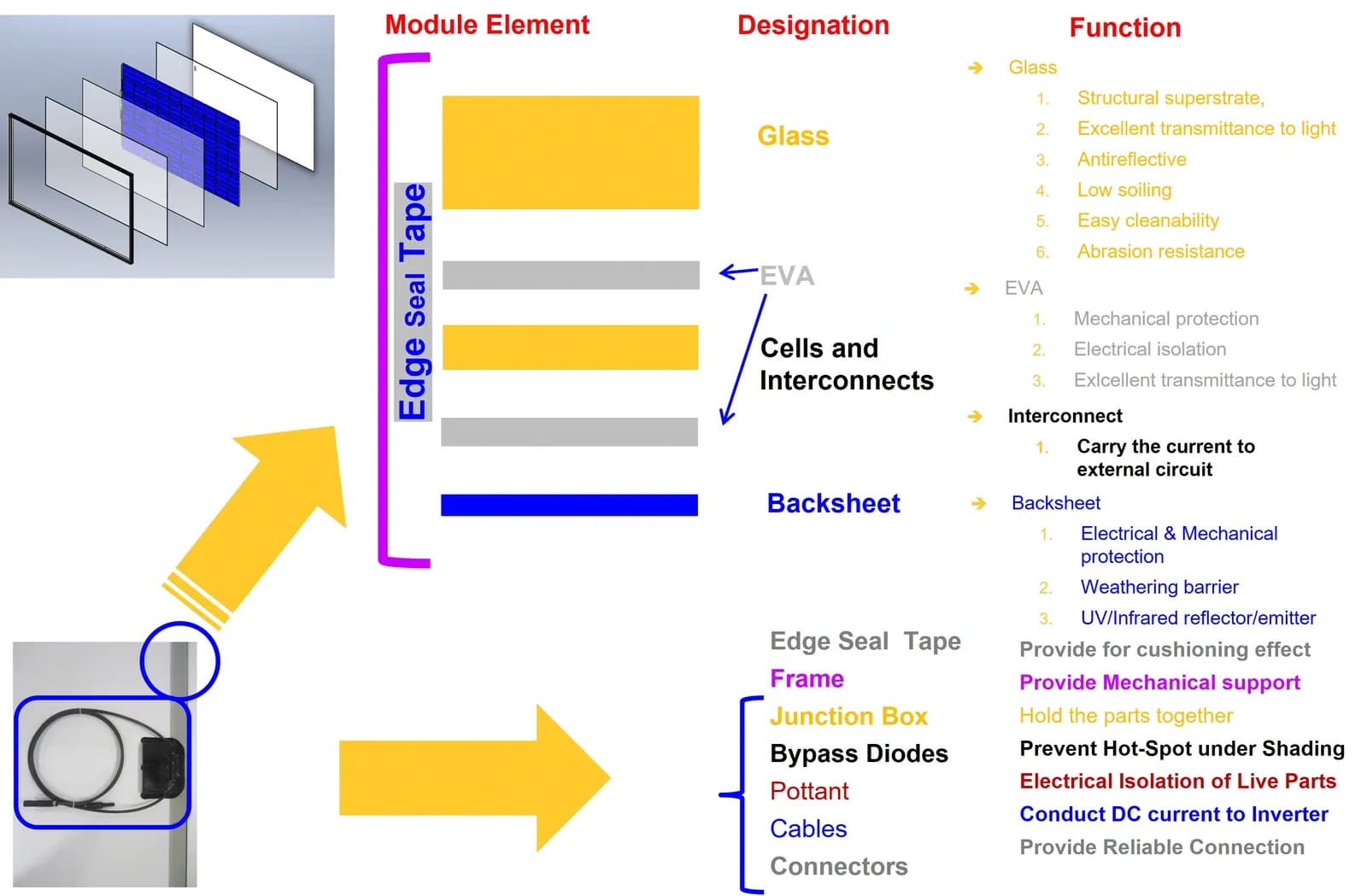
Picture below shows function/ role of various solar materials which are assembled to create a solar panel
Each manufacturer uses 3-5 different types of materials each for back sheet , solar cells EVA, glass and the less talked about Anti Reflective Coating on glass
The difference between materials makes all the difference in quality of various series
📘 How to read a solar panel data sheet
Below is the specification of solar panel which you will find commonly in data sheets, installation and warranty manuals. After understanding below, you will know more than the solar reseller, who comes to your home with a big smile. Know you will more than the CEO of a solar company, who is always behind what customers need.
| Manufacturer | Choose Brand or Manufacturer name |
| Series Name | Series are group of related products e.g. ‘Tiger’ ‘Lemons’ ‘Bi Facial Series’ |
| Product Code | Wattage of panel followed by its Part number e.g. 500Wp YYXX.72.60YYCC |
| Datasheet Table | |
| PMAX (W) | The DC power of the solar panel at 25 degree and 1000W/m2 |
| VMPP | DC Voltage of each solar panel , used to calculate the no of panels to be connected in series |
| IMPP | DC current of each solar panel is used to select an inverter with higher current rating . e.g. if solar panel current has 10A current , then an inverter must accept more than 10A / string . Its not to confused with the overall input current rating of the inverter ( 20A /44A etc) |
| VOC | DC Voltage of each solar panel , used to calculate the no of panels to be connected in series |
| ISC | DC current of solar panel is used to select an inverter with higher current rating . Solar panel current with 10A current can only work with inverter > 10A / string |
| Efficiency (% ) | The nameplate rating only reflects the efficiency at 1000W/m2 . A low quality module will suffer a steep drop in efficiency under low irradiation, which will be most evident below 500W/m2 ( I plan to have this comparison in future) |
| Solar Cell | Different Solar cell technologies have the simple agenda to increase efficiency. Poly = lower efficiency ; Mono = Higher efficiency ; Mono PERC = higher efficiency than Mono ; Hetro Junction = Highest efficiency with additional 5%-10% energy gain |
| Number of Cells | When manufacturers want to increase panel wattage , they can scientifically increase efficiency by high technology investments ( e.g. HJT , Mono PERC, TOPCON , Thin Film ) or boost wattage SIMPLY by increasing the no of cells . In residential installations small panel maybe preferred. |
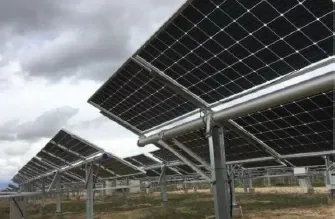
| Bi Facial | Bi Facial panels generate extra energy at the back side due to reflection. The increase of energy due to back side can be 10% -15% depending on the type of backside surface. |
| Backsheet | Best in class are “flouro film based” and “Polyamide (recycle)”. While PET is okay for mild climates the Coated backsheet are least durable. Currently due to bi facial panels , panels have glass protection which is not bad but make the panel bulky and prone to low breathablity issues ( the technical term is water vapor pass through )
|
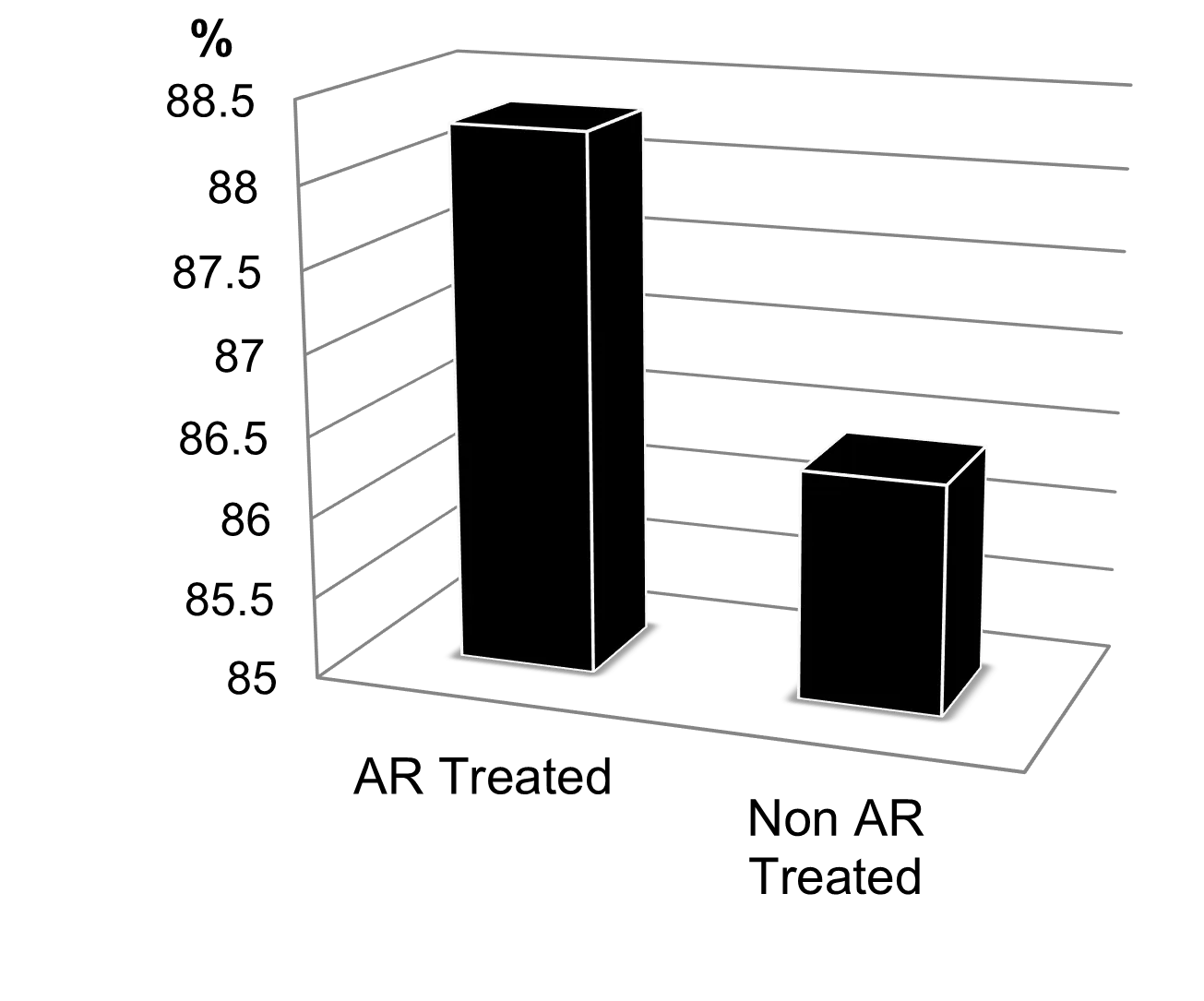
| Anti Reflective Coating on Glass | Anti Reflective coating creates a 15Wp – 20Wp gain in panel wattage which is build in your panel Wattage already . So it must be top notch quality . Additionally ARC absorbs more sunlight at sun angles > 30. If you live in a dusty area you can ask installer to supply you solar panel with ASC ( Anti Soiling coating )
|
| Country of Origin | The country of origin of the brand is country where the panel has been manufactured |
| Power Tolerance | Positive watt class sorting means all panels will at least have the minimum power amongst all panels delivered to you. This can be figured from the zero ( “-0“/+Wp). Interconnection of solar modules which do not have identical properties or which experience different conditions from one another will lead to losses. Which is why narrow band ( -0/+5) between lowest and highest wattage panel is preferred.
|
| Temperature Coefficient of PMPP(%/°C) | All modules reduce their power output as temperature increases. In typical multicrystalline modules the rate of degradation is approx-0.5%/C for temperatures above 25C. |
| NOCT (°C) | Standard Test Conditions are not reflective of real-world performance. NOCT values are a global standard also and are measured at conditions that provide a better indication of real-world performance. |
| Max. System Voltage (V) | 1000V or 1500V will decide the no of solar panels which can be connected in series |
| Reverse Current Rating (A) | Residential market uses solar panel system of for ( delete) 1-6KWp which can have 3 strings in parallel. To put 3 strings in parallel, fuses are required to safeguard 1 string against sum of reverse current rating from other 2 strings. |
| Dimension | Standard / Small Size panel is better. A lot of manufacturers are just adding cells to increase wattage and get buyer attention |
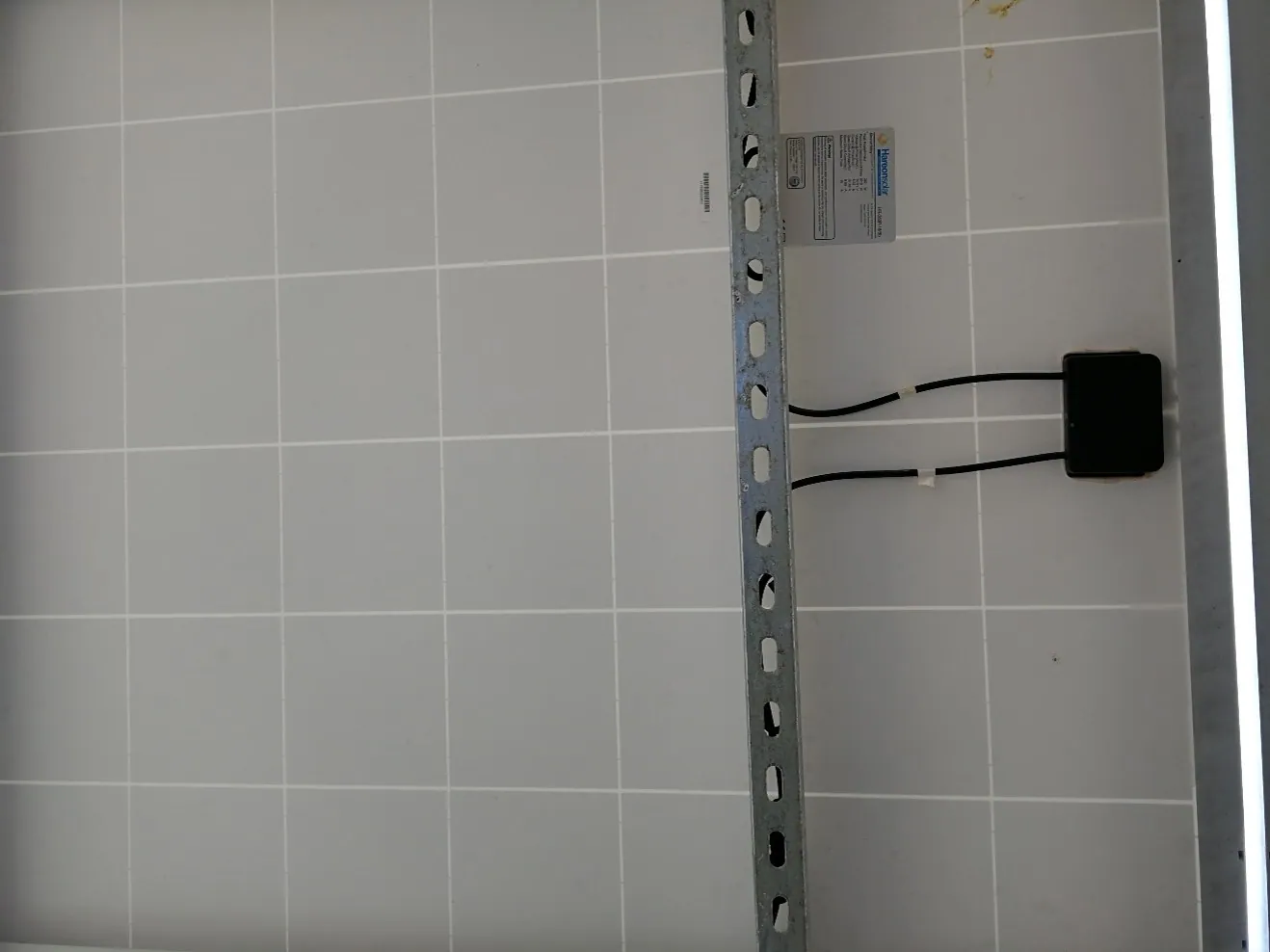
| Junction Box (IP Rating) | Junction is at backside of solar panel . Its IP Rating is the ability against water exposure |
| Dimension | Standard / Small Size panel is better. A lot of manufacturers are just adding cells to increase wattage and get buyer attention |
| Junction Box (IP Rating) | Junction is at backside of solar panel. Its IP Rating is the ability against water exposure |
| Weight (kg) | Lower weight of panel is better for ease of installation but can reduce mechanical strength. |
| Max Wind Pressure (Pa) | 800Pa corresponds to wind speed of 130kmph , but a 3X gust factor is mandatory as per certification .
|
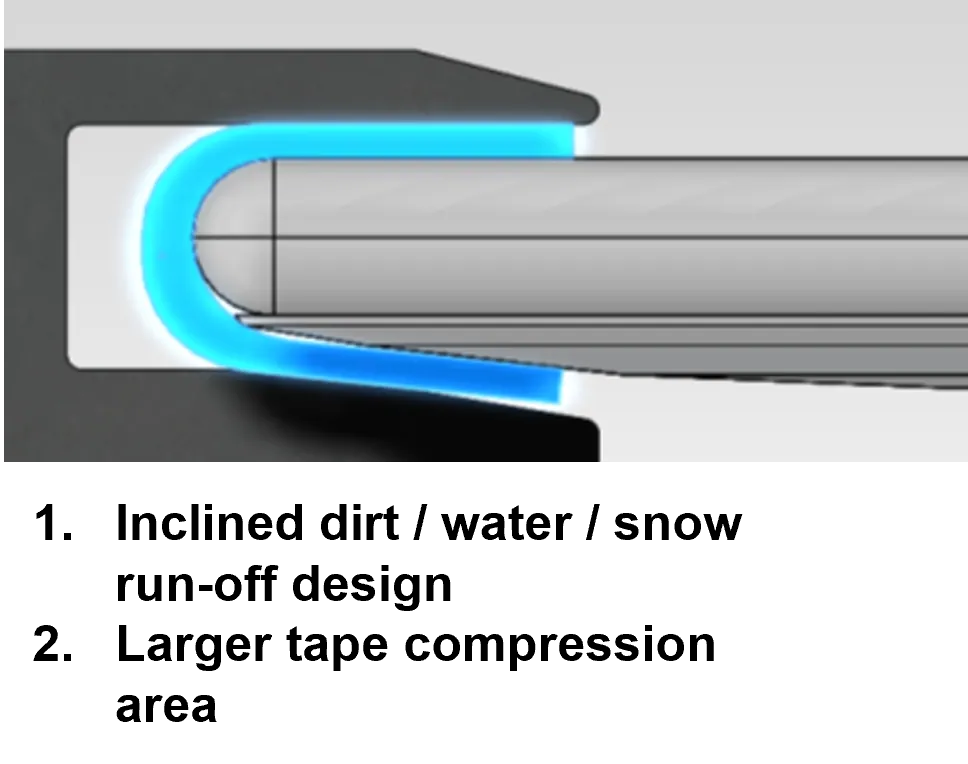
| Max Snow Load (Pa) | To achieve high snow load prefer panels with thicker alumunium frames . Common frame thickness are 30mm ,35mm , 40mm , 45mm and 50mm |
| CERTIFICATION | |
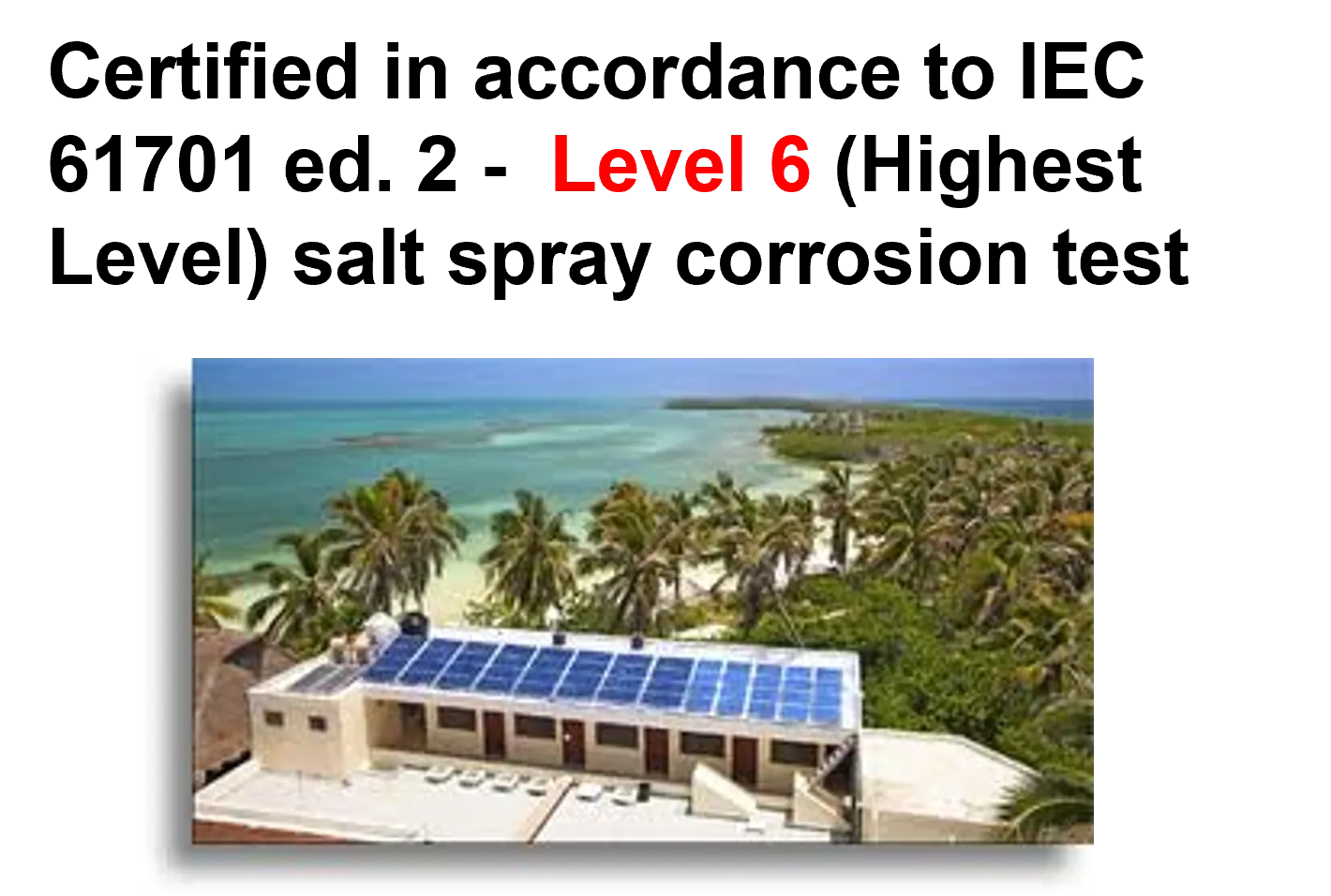
| Salt Spray Certification (Level 1-6)-61701 | Panel to protect against “Salt” corrosion. The highest level 6 should be preferred at coastal areas
|
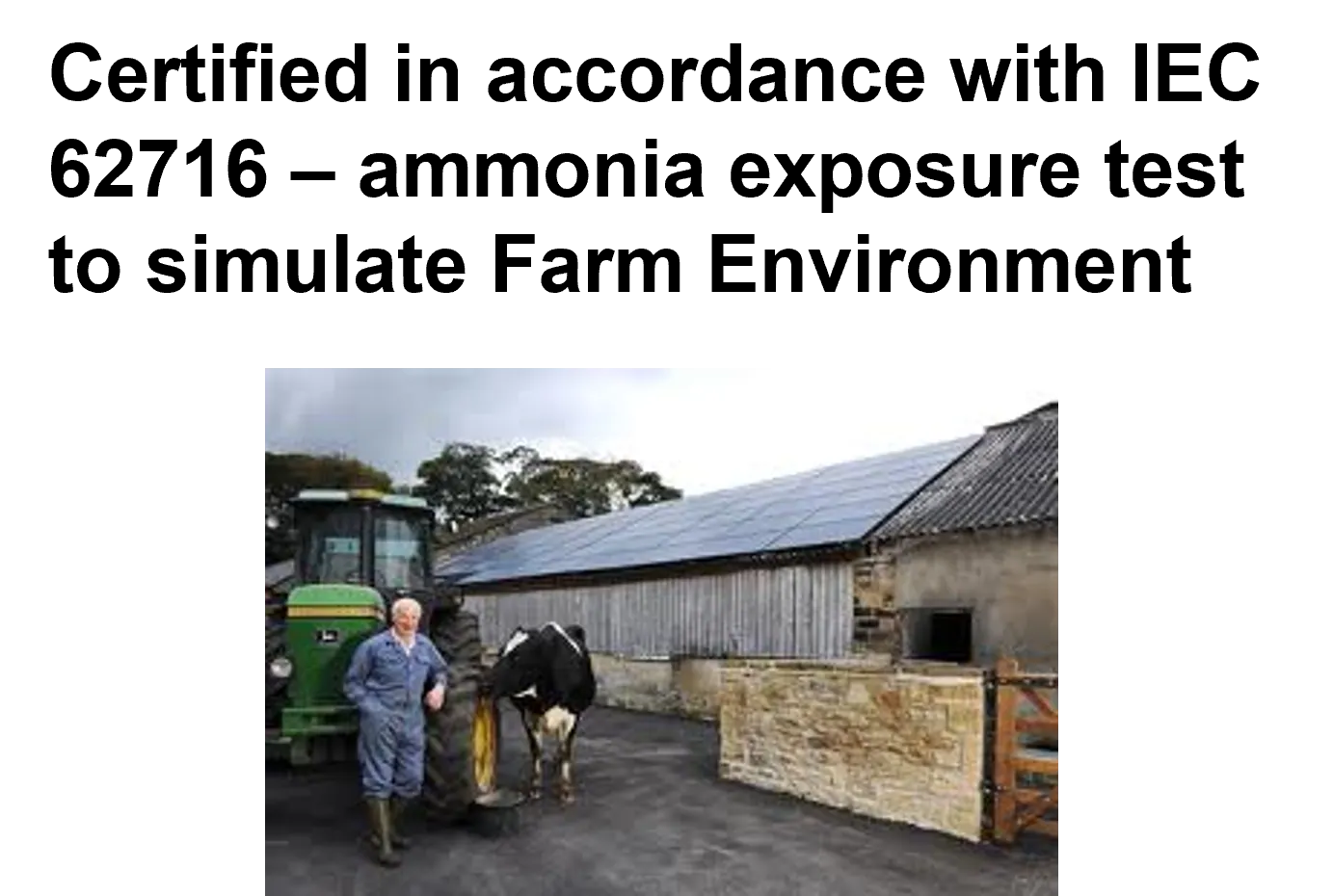
| Ammonia Certification-62716 | Panel to protect against “Ammonia” corrosion
|
| Product Warranty | |
| Product Warranty | To be free from defects in material and workmanship .Will remain safe and operational. Will not experience freezing up of the aluminium frames. The outer appearance of the Product, including scratches, stains, rust, mould, discoloration and other signs of normal wear and tear, which occurred after delivery or installation, do not constitute defects, provided the functionality of the Product is not affected. Glass breakage constitutes a defect only if not caused by any external influence. |
| Performance Warranty | Warranty year on year against natural solar panel degradation. |
| Warranty at End of Year 1 | Warranty at the end of year one against natural solar panel degradation, compared to initial panel wattage (100%) Most mfrs. guarantees 97% of nameplate power at year 1 and only 0.7% degradation thereafter Most of the ‘Tier 1’ manufacturers have moved to this linear degradation rate |
| Stepped or Linear Warranty | Linear warranty has performance guarantee for each year; while stepped warranty has the first milestone only after 10 years A warranty mist be backed by extensive testing. |